



Product Description
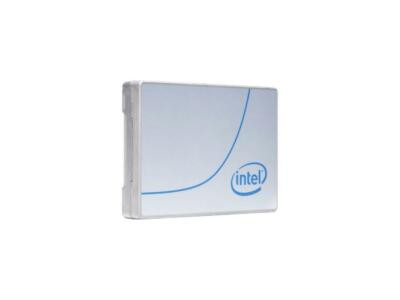
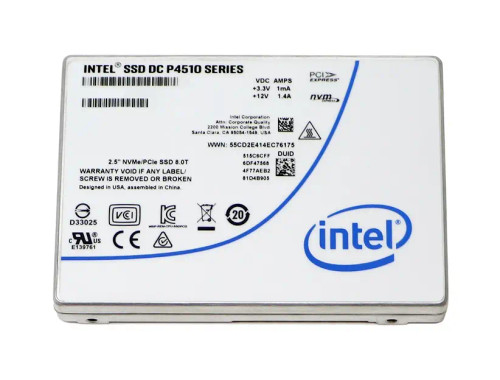
Intel DC P4510 SSDPE2KX040T8 4TB U.2 NVMe SSD
The 4TB sits in an odd spot within the P4510 range, and the numbers explain why. Sequential reads come in at 3,000MB/s, slightly below the 3,200MB/s of both the 2TB and 8TB drives. Writes reach 2,900MB/s, well ahead of the 2TBs 2,000MB/s. Random reads are 625,500 IOPS against 637,000 on the 2TB, while random writes climb to 113,500 from 81,500. If you are choosing by capacity alone, the write performance is what moves.
Storage and Performance
4TB of 64-layer TLC on a PCIe 3.1 x4 link. Endurance is 6.3PBW, roughly 3.4 TB of writing every day across five years, which is more than double the 2 TB drives budget. MTBF is two million hours with a five-year warranty.
Power loss protection, 256-bit AES hardware encryption, and end-to-end data path protection are all included. Active draw sits around 12W.
Suitable Applications
Read-intensive and mixed sequential workloads. Content delivery, analytics, caching, virtualization hosts carrying many VM images. The improved write figures at this capacity also make it workable for moderately write-heavy roles that the 2TB would struggle with.
Compatibility and Deployment
U.2 bays wired for NVMe with direct PCIe lanes, not a SAS controller in front. The drive is 15mm, so full-height 2.5-inch bays only, and trays are usually a separate purchase.
Intels SSD business transferred to Solidigm under SK hynix, so warranty and firmware support for P4510 drives now runs through Solidigm rather than Intel. Factor that into support expectations on a drive bought today.
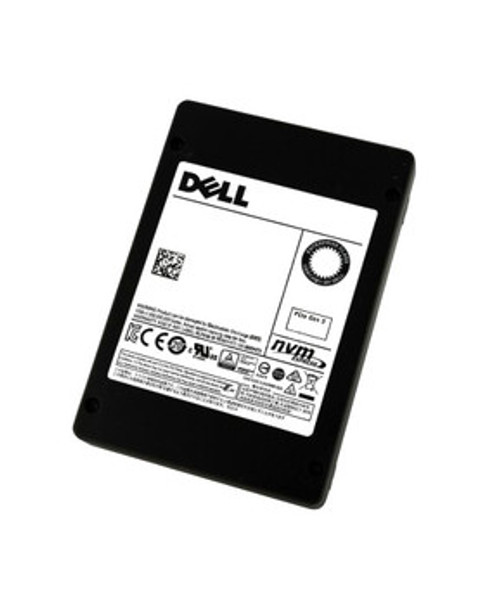
OEM-badged P4510 drives carry different part numbers with vendor firmware. If your server checks drive identity, confirm what is on the label.
The Capacity Where Write Performance Catches Up
Doubling from 2TB to 4TB nearly halves the write bottleneck and lifts random writes by 40%. For a workload that reads heavily but still writes, that is a better reason to size up than the storage alone.